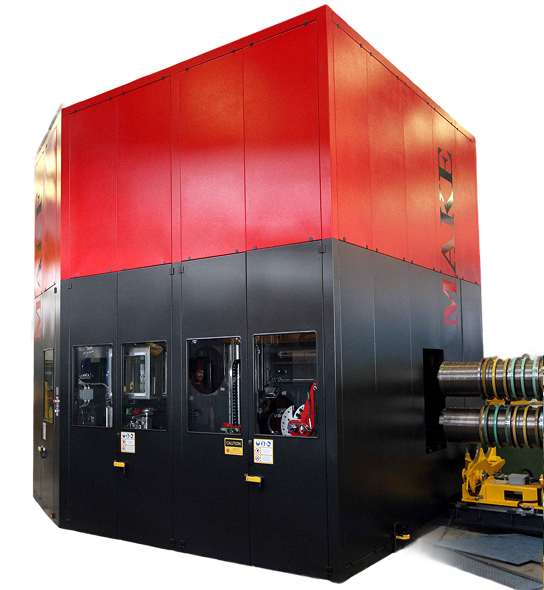
Robot completamente automatico per il cambio coltelli delle linee di taglio longitudinale
STAHL automatizza l'intero processo di gestione dei coltelli per il taglio longitudinale, trasformando operazioni manuali dispendiose in flussi di lavoro rapidi, uniformi e standardizzati. Ogni configurazione viene eseguita secondo gli stessi criteri, contribuendo a ridurre le variazioni tra i turni e gli errori legati alla preparazione.
La gestione dei coltelli per il taglio longitudinale è una delle attività più impegnative nella lavorazione dei coil
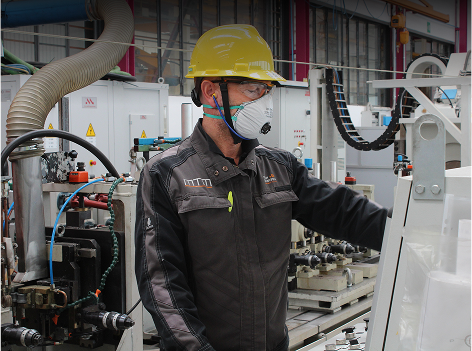
La gestione dei coltelli per il taglio longitudinale è una fase critica della lavorazione dei coil, ma è anche una delle operazioni più ripetitive, fisicamente impegnative e sensibili alla precisione dell'intera linea.
Gli operatori devono movimentare componenti pesanti, mantenere l'esatta sequenza di coltelli e distanziali ed eseguire le configurazioni con elevata precisione anche sotto pressione. Anche piccole variazioni possono compromettere la qualità del nastro, il flusso produttivo e la resa del materiale.
Mantenere costantemente questo livello di precisione, turno dopo turno, richiede molto sia al processo sia all’ambiente di lavoro.
Scelto e apprezzato da




Quando la gestione dei coltelli non è adeguata, le prestazioni ne risentono
Negli ambienti manuali, mantenere lo stesso livello di precisione, velocità e controllo a ogni configurazione può essere difficile.
La precisione è più difficile da controllare
La distanza tra i coltelli può variare da una configurazione all’altra, aumentando il rischio di scarti e rilavorazioni, soprattutto con materiali di pregio.
I cambi formato diventano meno prevedibili
Velocità e precisione possono variare da un turno all’altro, rendendo meno prevedibile la produzione e più complessa la pianificazione della capacità giornaliera.
L’ambiente di lavoro diventa più impegnativo
La movimentazione quotidiana di attrezzature pesanti crea un ambiente fisicamente gravoso, in cui il rischio di sovraccarichi ripetitivi e infortuni diventa una criticità operativa importante.
Il personale qualificato viene assorbito da attività ripetitive
Gli operatori qualificati dedicano spesso tempo prezioso alla movimentazione manuale ripetitiva invece di concentrarsi su attività tecniche e produttive a maggior valore.
STAHL: gestione automatizzata di precisione dei coltelli per il taglio longitudinale
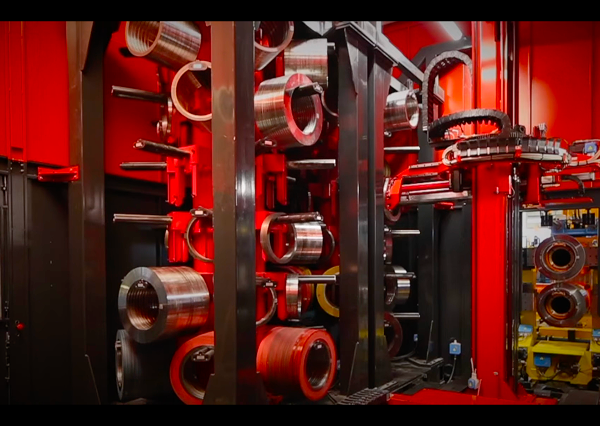
Scoprite come STAHL si integra nella vostra produzioneSTAHL è un sistema automatizzato che integra in un unico processo stoccaggio, movimentazione, ispezione e caricamento dei coltelli per il taglio longitudinale.
Progettato per le operazioni di taglio longitudinale dei coil, introduce struttura e ripetibilità in una delle fasi più impegnative della produzione. Riducendo la dipendenza dal coordinamento manuale, STAHL contribuisce a creare una base più stabile, efficiente e prevedibile per le operazioni di taglio.
STAHL a confronto con le operazioni manuali e i robot tradizionali
| Modalità operativa | Operatori manuali | Robot tradizionali | Stahl Consigliata |
|---|---|---|---|
| Tempo di cambio formato | 30–45 min | 30–45 min | 25–30 min |
| Spazio a pavimento richiesto | Spazio per i rack dei coltelli | W × L |
0.54 × W × L (lineare) 0.33 × W × L (circolare) |
| Tracciamento delle condizioni dei coltelli | Ispezione visiva | Misurazione laser di base, senza registrazione dei dati né tracciamento dell’ID del coltello | Misurazione laser a 2 μm |
| Gestione degli ostacoli | Sì | No (layout rigido) | Layout modulare |
| Gestione della vita utile dei coltelli | Valutazione dell’operatore | Pianificazione di base | Selezione basata sui dati |
| Funzionamento 24/7 | Richiede 3 turni | Sì | Sì |
Il valore che STAHL porta alla vostra
produzione di taglio longitudinale
Parlate con un esperto della vostra linea di taglio longitudinaleSTAHL offre maggiore precisione, uniformità e controllo nella gestione dei coltelli per il taglio longitudinale. Gestisce l’intero ciclo di vita dell’attrezzatura, dallo stoccaggio e dalla movimentazione all’ispezione e al caricamento, supportando coltelli con spessore minimo di 1,0 mm.
Il risultato è un processo più stabile, che contribuisce a migliorare la precisione delle configurazioni, proteggere la qualità del taglio e rendere più fluide le operazioni quotidiane.
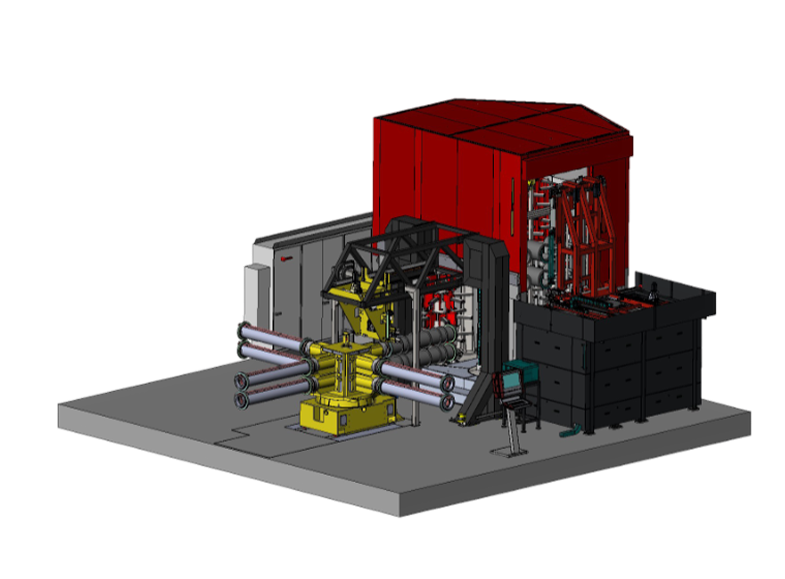
Proteggete i margini con una precisione di configurazione costante
Ottenete una precisione ripetibile a ogni configurazione dei coltelli. La distanza tra i coltelli rimane costante tra una configurazione e l’altra, garantendo una qualità uniforme che protegge i margini anche sui materiali di pregio. Coltelli e anelli di gomma vengono posizionati nella sequenza corretta, contribuendo a ridurre il rischio di perdite di materiale dovute a errori di configurazione.
Prolungate la durata dei coltelli con una selezione basata sui dati
Il sistema registra automaticamente le condizioni e lo storico di utilizzo dei coltelli: quali sono stati affilati più di recente, quali combinazioni sono ottimali per determinati lavori e quando è prevista la sostituzione. La selezione dei coltelli basata sui dati ne prolunga la durata, mantenendo al contempo una qualità di taglio uniforme in ogni ciclo produttivo.
Dedicate al vostro team più tempo alle attività a maggior valore
Gestendo automaticamente le attività ripetitive di movimentazione e gestione dei coltelli, STAHL consente agli operatori qualificati di concentrarsi sul controllo qualità, sulla supervisione del processo e su altre priorità tecniche. Il risultato è un flusso produttivo più stabile e prevedibile a ogni turno.
Si adatta al vostro layout, non il contrario
Il design modulare di STAHL si adatta al vostro stabilimento e aggira i vincoli strutturali, come pilastri e passaggi. Si integra con la vostra cesoia longitudinale e con la tavola rotante esistenti senza richiedere modifiche significative.
Due configurazioni per ogni
operazione di taglio longitudinale
STAHL è disponibile in due configurazioni di layout, ciascuna ottimizzata per
diverse dimensioni dei coltelli e diversi vincoli dello stabilimento.
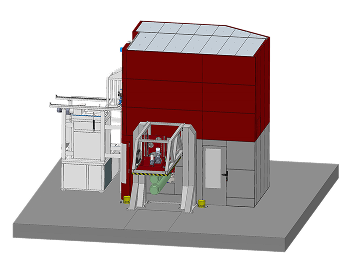
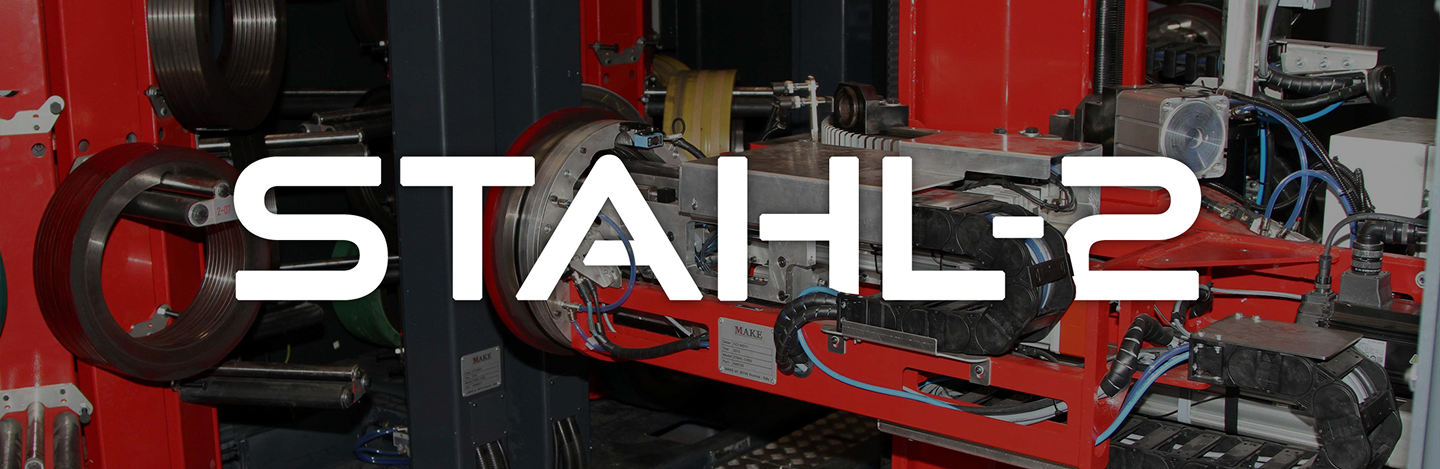
| • STAHL-2 (lineare) | |
|---|---|
| Intervallo del diametro esterno dei coltelli | 508–660 mm |
| Ideale per | Lavorazione di spessori elevati |
| Tipo di layout | Lineare |
| Spazio a pavimento rispetto ai concorrenti |
0.54 × W × L (54% dell’ingombro di un robot tradizionale) |
| Ciclo di assemblaggio della configurazione | ~20 min |
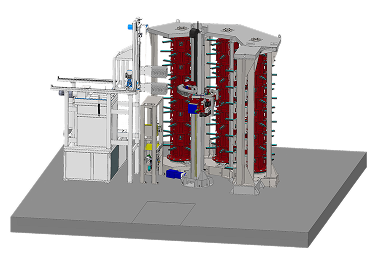
| • STAHL-3 (circolare) | |
|---|---|
| Intervallo del diametro esterno dei coltelli | 305–508 mm |
| Ideale per | Lavorazione di spessori ridotti |
| Tipo di layout | Circolare |
| Spazio a pavimento rispetto ai concorrenti |
0.33 × W × L (33% dell’ingombro di un robot tradizionale) |
| Ciclo di assemblaggio della configurazione | ~17 min |
Scoprite STAHL in azione
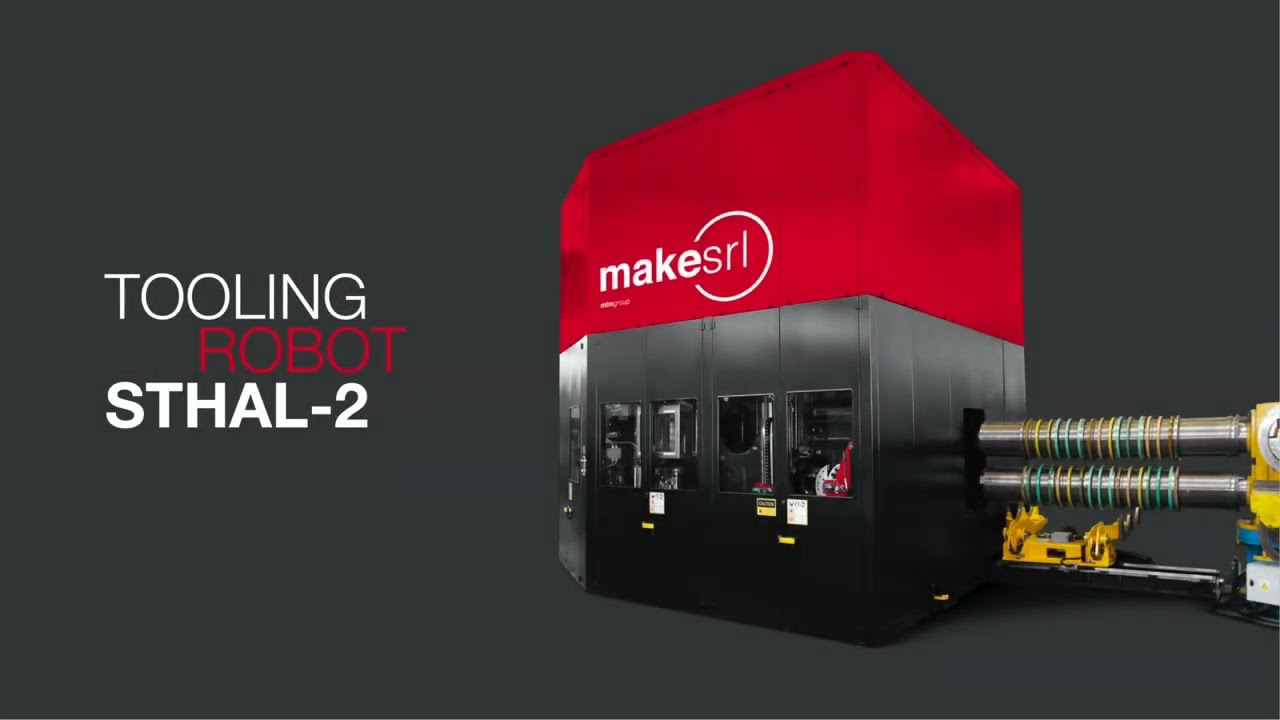

Come funziona STAHL
Pianificate l’implementazione di STAHL
Scarico automatico
- Il robot estrae la configurazione dei coltelli utilizzata dalla tavola rotante
- Separa automaticamente i coltelli che aderiscono tra loro
Ispezione di precisione (configurazione opzionale)
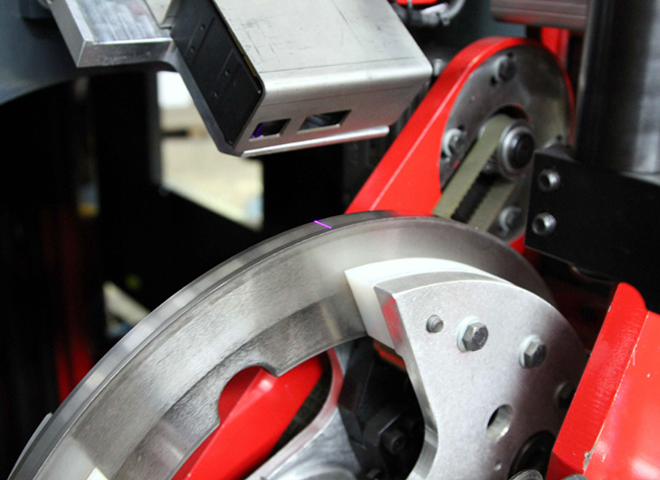
- Il profilometro laser misura l’usura del filo del coltello con precisione fino a 2 μm
- Rileva difetti fino a 50 μm
- Riclassifica i coltelli in base alle loro condizioni
Lavaggio industriale (configurazione opzionale)
- Pulizia a ultrasuoni con detergente alcalino riscaldato
- Risciacquo di passivazione e asciugatura con lama d’aria
- Gestisce più coltelli contemporaneamente
Stoccaggio intelligente
- Il sistema di gestione del magazzino traccia ogni coltello
- Associa i dati di usura all’ID del coltello (scansione DPM)
- Stoccaggio in magazzini verticali modulari
Selezione ottimale dei coltelli
L’integrazione ERP/MES acquisisce i dati dell’ordine di produzione
- Durezza del materiale
- Spessore del nastro
- Requisiti di qualità
- Strategia di uniformazione dell’usura dei coltelli
Caricamento automatico
- Il robot assembla la nuova configurazione mantenendo distanze perfette tra i coltelli
- Carica la configurazione sulla tavola rotante, pronta per la produzione
Risultati comprovati in oltre 20 installazioni nel mondo
Esplorate le risorse
tecniche
Ottenete documenti tecnici dettagliati con specifiche, caratteristiche e configurazioni delle soluzioni MAKE per il taglio longitudinale dei coil.
Domande frequenti
Durante i primi 2 giorni è necessaria la tavola rotante della cesoia longitudinale per allineare la base del robot. Tranne in questi 2 giorni, la cesoia può essere utilizzata manualmente per tutta la durata dell’installazione. La tempistica complessiva è di circa 2 settimane per l’installazione e 2 settimane per la messa in servizio e il supporto all’avviamento.
Sì. STAHL può essere installato su qualsiasi cesoia longitudinale dotata di tavola rotante per il caricamento dei coltelli. Abbiamo già completato installazioni su Salico, Novastilmec, Camu, Georg e altri principali marchi.
Il nostro sistema di magazzini modulari è progettato proprio per questo. Possiamo configurare il layout intorno agli ostacoli che impedirebbero l’installazione di un robot tradizionale.
Il nostro profilometro laser offre una ripetibilità di 2 micrometri, molto superiore alla semplice ispezione visiva umana.
È necessario un operatore per la supervisione generale, ma una volta configurato il robot, questa persona può dedicarsi ad altre attività. STAHL gestisce le attività specifiche di movimentazione e gestione dei coltelli.
Certamente. Offriamo visite presso siti di riferimento e possiamo organizzare dimostrazioni video personalizzate in base alla vostra applicazione specifica.
Il diametro massimo dei coltelli che abbiamo gestito è OD = 600 mm, ma possiamo accogliere diametri maggiori.
Allo stesso modo dei coltelli e dei distanziali: prelievo, posizionamento e sequenziamento completamente automatizzati.
8 configurazioni per turno.
La tavola rotante della cesoia longitudinale è necessaria solo nei primi 2 giorni. Per il resto del periodo di installazione, la cesoia può essere utilizzata manualmente.
A seconda del diametro dei coltelli, il robot può stoccare fino a 69.300 mm complessivi di coltelli su 198 perni.
STAHL può gestire coltelli con spessore a partire da 1,0 mm.
STAHL-2 utilizza un layout lineare del magazzino, progettato per linee con spessori elevati e coltelli con diametro esterno da 508 a 660 mm. STAHL-3 utilizza un layout circolare del magazzino, per linee con spessori ridotti e coltelli con diametro esterno da 305 a 508 mm. Entrambi offrono le stesse capacità di automazione; la differenza riguarda il layout fisico e l’intervallo di dimensioni dei coltelli.
Scoprite il vostro potenziale risparmio con un esperto STAHL
Scoprite se STAHL è adatto alla vostra produzione. In una conversazione di 20 minuti parleremo del vostro attuale processo di cambio formato, valuteremo la fattibilità del layout e illustreremo i vantaggi realistici.
Ecco cosa tratteremo:
• Il vostro processo attuale e i colli di bottiglia
• Vantaggi realistici per la vostra specifica produzione
• Requisiti di layout e tempistiche di installazione
• Prossimi passi, se i risultati della valutazione saranno positivi
Compilate il modulo qui sotto e il nostro team vi ricontatterà a breve.